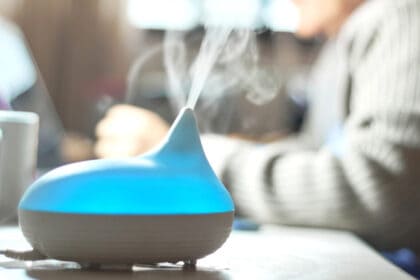


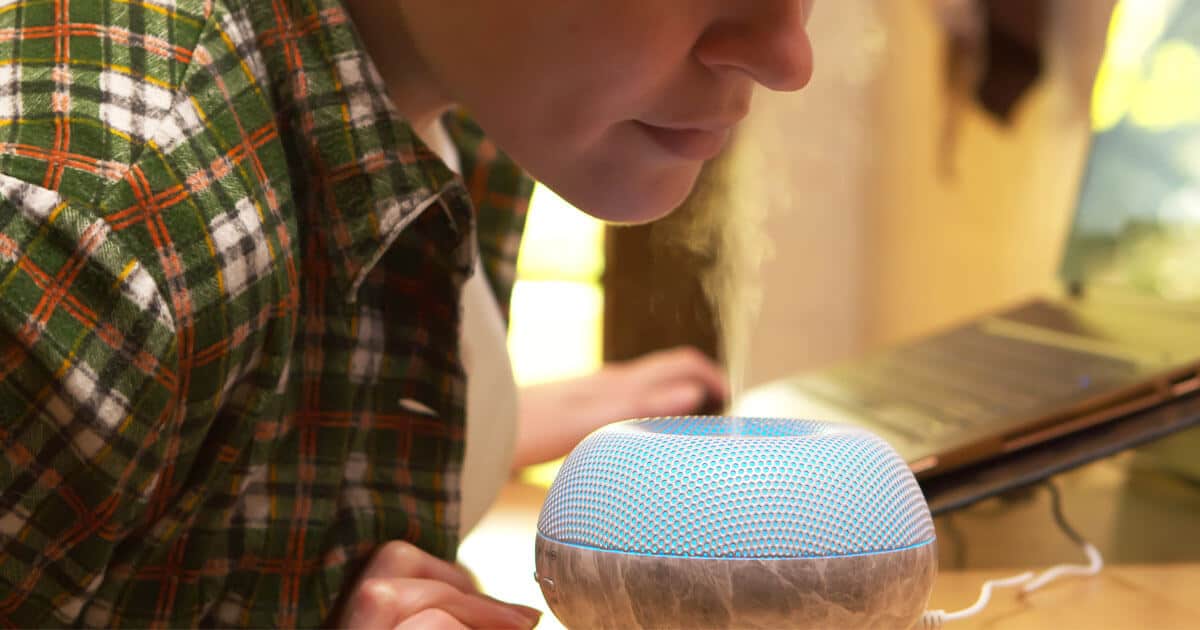
Everyone buys essential oil diffusers these days. Companies market them as natural wellness tools like air purifiers that’ll keep you and your family healthy. But it’s not quite that simple.
When you run a diffuser, it releases volatile organic compounds (VOCs) into the air around you. We’re talking terpenes, benzene, and toluene. Things that sound concerning when you see them listed like that, and they probably should be.
These can bother your lungs. If you’re generally healthy and using oils once in a while with decent airflow, the actual danger is small. Things shift dramatically if you have asthma, COPD, allergies, young kids, or cats at home. The risks tip the balance the other way.
Key Takeaways: The 30-Second Summary
- The Short Answer: For healthy adults, occasional diffusion (30-60 mins) in ventilated rooms is generally SAFE.
- The Hidden Risk: All essential oils release Volatile Organic Compounds (VOCs), such as benzene and terpenes. These can irritate airways and reduce lung function over time.
- Who Should Avoid It: Do not diffuse if you have Asthma, COPD, or cats. Cats lack a specific liver enzyme to metabolize these compounds, which can make their diffusion potentially toxic.
- Best Practice: Never diffuse continuously. Follow the “30 minutes ON, 60 minutes OFF” rule and keep a window cracked at all times.
Here’s what actually matters: something being “natural” doesn’t make it safe. Marketing sells these as wellness products, but the research shows a more complex reality beneath the surface.
Certain oils contain compounds that kill bacteria or reduce inflammation. But those same oils also irritate your respiratory tract when you inhale them, particularly if exposure lasts too long.
Safety isn’t a yes-or-no question. It depends on which oil you use, how long the diffuser runs, how often you use it, your lung condition, and who else is sharing the air.
These insights cover what peer-reviewed studies show about breathing in essential oils, which groups face the biggest concerns, and realistic ways to use them if you decide to.
How Essential Oils Enter Your Lungs: The Science of VOCs
Essential oil diffusers do more than make your room smell good. They send particles straight into your respiratory system. Heat or vibration breaks the essential oil into a mist of particles between 0.5 and 5 microns in size. That’s incredibly small. Your nose and throat can’t catch particles this tiny.
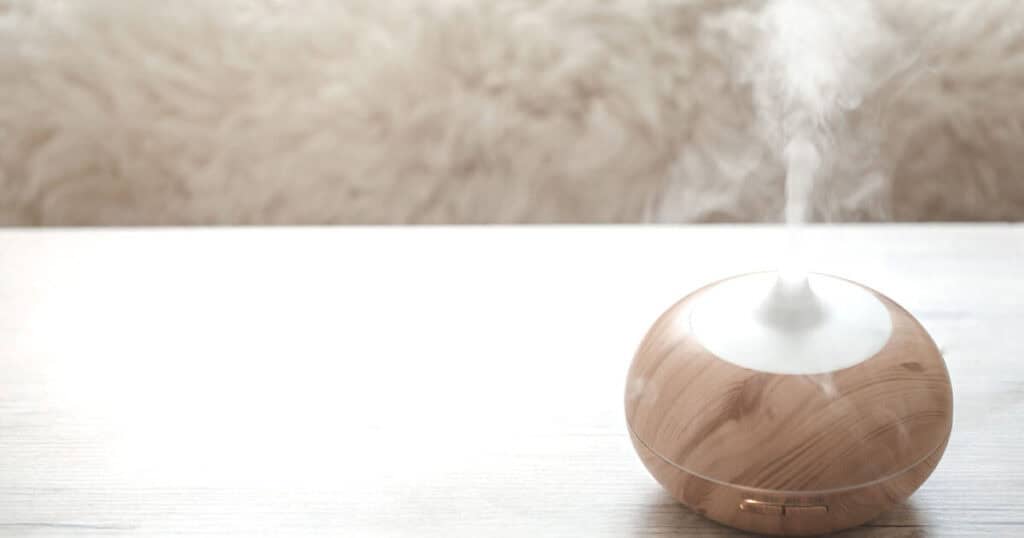
Mist from 2 to 5 microns settles deeper, in your lower airways. The smallest particles, 1 to 3 microns, make it all the way to your alveoli. Those are the tiny air sacs where oxygen moves into your blood. Your lungs grab these particles almost instantly.
This direct route explains why aromatherapy works quickly. It also explains why heavy exposure becomes risky. The whole journey happens in seconds. Your body has no way to filter it. No backup defense. This speed is useful for therapy, but you need to respect what you’re actually putting into the air.
What the Research Actually Shows About Essential Oils and Respiratory Health
The data isn’t entirely settled, but trends are becoming obvious. Some essential oils do have real benefits. Others release irritants that concern researchers.
Several essential oils genuinely contain germ-fighting compounds. Eucalyptus holds 1,8-cineole, which acts as an antioxidant and helps cut inflammation. A 2013 study published in Cough tracked people with acute bronchitis. They improved in four days after cineole treatment.

Orange and peppermint show promise, too. But here’s the catch: most research follows short-term use for acute problems. Nobody tracks what happens to your body when you breathe this daily for months or years.
The worrying findings are harder to dismiss. The American Academy of Allergy, Asthma & Immunology tested popular essential oils and found they emitted terpenes, toluene, and benzene—all known respiratory irritants.
A 2021 analysis in Air Quality, Atmosphere & Health checked 14 different oils. Every single one discharged at least 9 potentially harmful VOCs. Half released 20 or more. Researchers actually detected acetaldehyde, methanol, and acetone in the mist. These aren’t theoretical concerns; they are measurable toxins.
Potential Benefits
- Kills respiratory bacteria in lab conditions
- Reduces inflammation (some oils)
- Temporarily eases acute bronchitis
- Clears congestion for a bit
Documented Risks
- Releases 9-20+ harmful VOCs from each oil
- Produces terpenes, benzene, and toluene
- Triggers asthma attacks and wheezing
- No evidence that it helps chronic lung disease
Duration matters hugely. Thirty minutes in a room with windows slightly open? It’s okay for most people. Extended sessions at high concentrations correlate with real problems: asthma gets worse, lung capacity drops, and airway inflammation increases.
Volatile Organic Compounds (VOCs): The Hidden Lung Risk
Volatile Organic Compounds (VOCs) are chemicals that become gases at room temperature. They’re what your nose detects as “that smell.” Every essential oil releases them. This isn’t a sign of poor quality. It’s simply how the oils behave. The issue starts once those VOCs reach your lungs.
Diffuse tea tree or lavender, and you’re putting terpenes, toluene, and benzene into the air. The EPA marks benzene and toluene as hazardous air pollutants. Breathe enough, and your lung function actually decreases. You can’t exhale as much air as before. Lab studies link terpene exposure to nighttime breathlessness.

Your lungs then process these VOCs with ambient ozone already in the air, creating secondary organic aerosols. Your lungs might handle this fine if they’re healthy. But if you have asthma or COPD, these reactions trigger bronchospasm (narrowed airways) or mucus buildup.
Diffusers work differently from a quick steam session. They pump low-level chemicals continuously for hours.
Recent research on indoor air quality shows that these VOCs don’t just disappear; some break down quickly, while others hang around and react with other particles in your home. You can’t know exactly how much irritation you’re taking in during one session.
Sometimes, cheaper oils often contain additional impurities that worsen the problem. It's all about how concentrated the emissions get.
Too many particles can inflame your airway lining. Your body’s self-cleaning system in your lungs can only handle so much. Overwhelm it, and you become more prone to infections.
Who Shouldn't Use Essential Oil Diffusers: Pre-Existing Lung Conditions
Do you or your family members deal with asthma, COPD, or allergies? The American Lung Association explicitly warns that inhaling essential oils can cause inflammation and is dangerous for those with pre-existing conditions. Damaged lungs react to airborne irritants differently from healthy ones.
If You Have Asthma
Your airways already narrow too easily. Breathing VOCs can trigger that reaction fast. You might make more mucus or develop inflammation. Even oils people swear are “breathing-friendly”, like eucalyptus, can backfire and make things worse.

The American Lung Association states that "inhaling essential oils directly, or in high concentrations, can trigger symptoms in the damaged lung tissues."
Get your pulmonologist’s input before trying a diffuser. If you want to test oils anyway, wait until you feel completely normal. Never diffuse when you’re wheezing.
If You Have Chronic Obstructive Pulmonary Disease (COPD)
Your lungs are already working hard. Throwing respiratory irritants at them makes it harder for oxygen to move and stresses your system. Certain compounds might help in pill form, but inhaling the entire crude oil mist puts unnecessary strain on your lungs. Most respiratory doctors recommend skipping diffusers if your COPD is moderate to severe.
If You Have Allergies
Essential oils trigger allergies. Your immune system sees those particles as invaders and releases histamine. Welcome to sneezing and swelling. If you get hay fever, move slowly. Patch test on your arm first. If you try diffusing, crack a window so you can turn it off immediately if your nose starts running.
Real talk: “natural” doesn’t equal “safe for damaged lungs.” The irritation usually outweighs any benefits for people with respiratory problems.
Which Essential Oils Are Safest (and Which to Avoid)
Oils aren’t all equally risky. Some are relatively gentle. Others irritate the airways like sandpaper.

Higher Safety Profile (Use with caution; keep sessions short)
- Lavender: Has anti-inflammatory qualities and releases moderate VOCs. Most people tolerate 30-60-minute sessions with decent airflow.
- Sweet Orange: Produces limonene at levels that normally don’t bother healthy lungs. Still needs open air and time limits.
- Frankincense: Sits low on both the VOC and irritation scales. If you’re determined to diffuse, this is one of your better options.
Moderate Caution (Potent; higher VOC emissions)
- Eucalyptus: Contains helpful compounds but also emits significant amounts of terpenes. Too much will irritate your airways, especially if your lungs are sensitive.
- Peppermint: Helps with congestion but packs an intense profile. Please keep it away from young kids. Adults in well-ventilated spaces handle it better.
- Tea Tree: Fights germs well, but can become problematic with overuse. Respiratory irritation from too much tea tree oil is common.
Higher Risk (Skip these or be extremely careful)
- Cinnamon: Contains cinnamaldehyde, a strong airway irritant. Most people react badly even to brief exposure.
- Clove: High in phenols. It frequently triggers bronchospasms and airway inflammation.
- Oregano: Highly potent and known for respiratory tract irritation. Most people shouldn’t diffuse this at all.
- Wintergreen: Contains methyl salicylate. Large amounts act as respiratory depressants and cause real irritation.
Keep in mind: “safest” is relative. You might breathe eucalyptus without problems, while one of your family member starts coughing immediately. Everyone’s body reacts differently.
Safe Diffusing Practices: Duration, Ventilation, and Dosage
Researchers and experts agree on one core point: don’t keep the diffuser running all day. Using it occasionally is far safer than continuous diffusion.

The 30-60 Minute Rule
Run your diffuser for 30 to 60 minutes, then switch it off for at least an hour. Why? Your sense of smell adapts. Your brain stops registering the scent. Leaving the machine on all the time doesn’t give you better results. It just accumulates VOCs in your lungs. You’re getting less benefit while increasing your risk exposure.
Ventilation Is Non-Negotiable
You need airflow. Open a window. Turn on a fan. The goal is to dilute the mist concentration to prevent it from reaching dangerous levels. If the room starts feeling stuffy, turn the diffuser off. Stagnant air plus essential oils creates concentrated exposure.
Match Your Essential Oil Diffuser Size to Room Size
A diffuser meant for a living room overpowers a small bathroom. Tight spaces concentrate the mist fast. In small rooms, use less oil, run it for shorter periods, and ventilate more. Adding more drops doesn’t mean more benefits. It increases the risk of irritation instead. Stick to what the manufacturer recommends.
Listen to Your Body
You can use oils daily as long as you follow the on-off schedule and keep windows open. But pay attention to what your body signals. Constant cough? Headache? Scratchy feeling in your throat? Take a break. These signs mean your lungs are getting bothered.
Follow the Face Rule
Don’t lean over the diffuser and breathe the concentrated mist directly. That’s way too much exposure at once. The whole point is to scent the room, not fill your alveoli with particles.
Essential Oils Around Babies, Children, and Pets: Special Considerations
Small lungs respond more quickly than adult lungs. Kids and pets have different metabolisms and smaller bodies, making them far more vulnerable to irritation and toxicity.

For Babies Under 6 Months
Skip diffusers completely. Their lungs are still forming. Even small amounts of VOCs can cause problems. If oils must be in the house, stick to gentle options like chamomile, place the diffuser far from the baby, and keep windows open. Talk with your pediatrician first.
For Young Children (6 Months to 5 Years)
Avoid strong oils: no eucalyptus, peppermint (especially under 6), or wintergreen. Gentle lavender is better. Keep it to 15-30 minutes. Watch your child closely. If they start coughing or their eyes get red, turn it off right away.
For Pets, Especially Cats
Cats have different biology. They are missing a liver enzyme called glucuronyl transferase (source: Merck Veterinary Manual). This means they can’t break down phenols found in many oils. Oils that are safe for dogs can be toxic to cats. Stay away from tea tree, peppermint, cinnamon, and citrus oils if you have a cat.
Dogs tolerate some oils better than cats, but you still need to be careful. Keep bottles sealed and out of reach of pets that might eat them. If your pet starts drooling, throwing up, walking unsteadily, or shaking, stop immediately and call your vet. Oil toxicity in small animals moves quickly.
Common Myths About Essential Oils and Lung Health: Debunked
Marketing around essential oils profits from half-truths and cherry-picked facts. Hear “natural” or “pure,” and people assume it’s safe. They mistake skin irritation for “detox.” These beliefs hang around because they sound reasonable, and companies make money from them.

Myth #1: "Natural means safe."
Not true. Poison ivy is natural. Arsenic is natural. Concentrated cinnamon is natural, but it can damage your airways. “Natural” is marketing language, not a safety claim. Concentrated plant extracts are powerful chemicals, no matter where they come from.
Myth #2: "Skin reactions mean your body is detoxing."
Wrong. Red, burning skin is a chemical burn or allergy. You’re not clearing toxins through an oil rash. You’re damaging your skin barrier. If something hurts, stop using it. Your body isn’t healing. It’s responding to irritation.
Myth #3: "Pure oils don't cause allergies."
False. Pure oils absolutely trigger allergies. You can be allergic to pure limonene or linalool. Purity doesn’t eliminate allergic reactions. If your immune system reacts to a compound, it reacts, whether it’s 100% pure from pristine mountains or made in a factory. Sneezing isn’t detox. It’s an allergic response.
Myth #4: "Therapeutic grade is a regulated standard."
It’s not. “Therapeutic grade” is a marketing term invented by companies. The FDA doesn’t define it or regulate it. It sounds clinical and official, but it says nothing about actual safety or results—just pure marketing.
Myth #5: "Oils cure respiratory diseases."
They don’t. Oils might temporarily ease symptoms, but they don’t cure asthma or COPD. Don’t throw away your inhaler or stop your prescribed medications. Using oils instead of real medical treatment is risky. Your lungs need actual medicine, not hope disguised as aroma.
Myth #6: "Headaches mean it's working."
Not at all. A headache indicates that your nervous system is irritated by VOC exposure. You’re breathing too much. Stop diffusing and get outside or open windows immediately.
Here’s what matters: essential oils contain real chemicals that can affect your body. Some provide benefits. The safety claims, though? Most exist to increase sales.
Before buying anything, consider this: Do you have proof? Not testimonials. Not marketing promises. Actual proof. That’s what GC/MS testing does. That’s why understanding what your body can handle is important. And that’s why talking to your doctor first makes sense, especially if you have existing lung conditions.
How to Choose Quality Essential Oils That Won't Harm Your Lungs
If you’re going to breathe this, quality actually counts. Low-quality oils often contain fillers or synthetic compounds that irritate your lungs more than genuine oils.

Look for GC/MS Testing
Gas chromatography-mass spectrometry (GC/MS) is the gold standard for testing. It shows the exact chemical makeup of the oil. Trustworthy companies publish these results on their sites for every batch. If a company keeps this information hidden, don’t buy from them.
What this insight shows you:
- The oil is actually what it says it is (not just lavender-scented chemicals)
- It finds pesticide residue and contaminants
- It catches synthetic additives or fillers
Check for Real Certifications
“Certified Organic” has actual legal weight. It means synthetic pesticides weren’t used. “Medical Grade” means nothing. Companies made that up. Search for certifications from real organizations, not vague corporate language.
Demand Transparency
Can the company tell you which specific farm the plants came from? How was it distilled? Where did it come from? Vague answers mean they’re taking shortcuts. Real companies are clear and proud of their sourcing.
Price Check Reality
Genuine rose oil costs money. Real frankincense isn’t cheap. A five-dollar bottle is fake, severely diluted, or both. Suspiciously inexpensive oils usually aren’t worth the risk to your breathing.
GC/MS Tested Essential Oil Top Brands
Thousands of bottles claim to be “100% Pure,” but without proof, that label is meaningless.
We’ve narrowed it down to five brands that actually stand behind their products. Each one runs Gas Chromatography-Mass Spectrometry (GC/MS) testing on every batch. Better yet, they share those reports with you. That transparency matters because it stops synthetic fillers and hidden toxins from sneaking into your home.
1. Plant Therapy (Best Overall & Family Safety)
Plant Therapy sets the bar for transparency. They publish GC/MS reports right on their product pages for each batch. They also make a specific “KidSafe” line. No peppermint. No eucalyptus. Nothing that could irritate kids’ airways. For families with young children, this is the safest option available.
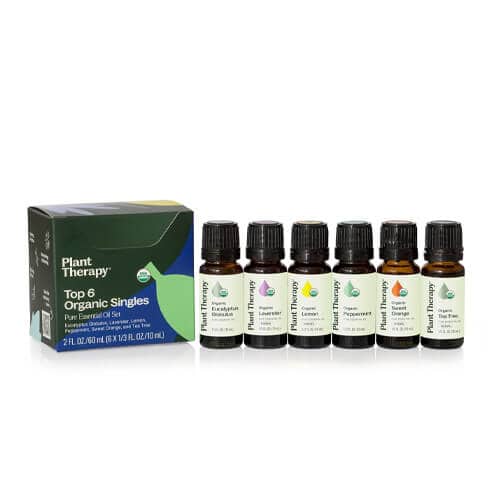
Plant Therapy Top 6 USDA Organic Essential Oil Set
Lavender, Peppermint, Eucalyptus, Lemon, Tea Tree 100% Pure, Natural Aromatherapy, for Diffusion & Topical Use, Therapeutic Grade 10 mL (1/3 oz)
Why choose them: Verified testing, thoughtful child-safety labels, responsive customer support.
2. Edens Garden (Best Non-MLM Brand)
Edens Garden pioneered selling quality oils directly to customers without the MLM markup. Every batch gets tested. The selection is huge, singles, blends, everything. Their “Ok For Kids” marker takes the guesswork out of shopping. You don’t need chemistry knowledge to pick something safe.
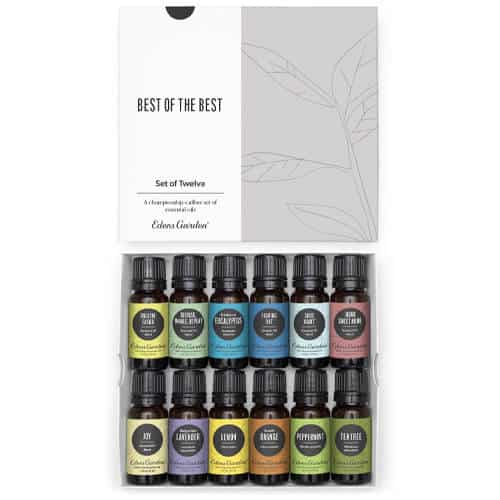
Edens Garden Essential Oils Best of The Best 12 Set – 100% Pure Therapeutic Grade
Lavender, Peppermint, Lemon, Orange, Tea Tree & More for Home Diffusers & Skin – Undiluted & Natural, 10 ml/ 12 Pack
Why choose them: Fully female-owned operation, strict testing protocols, prices you won’t regret.
3. Cliganic (Best Organic Value)
You want USDA-certified organic without spending a fortune? Cliganic delivers. They stick to the essentials: Lavender, Peppermint, Eucalyptus, at prices that won’t drain your budget. Every bottle has a batch code printed on it. Type that code into their website and instantly access the lab results.

Cliganic Organic Aromatherapy Essential Oils Gift Set (Top 8 – The Iconics)
100% Pure – Peppermint, Lavender, Eucalyptus, Tea Tree, Lemongrass, Rosemary, Frankincense & Orange
Why choose them: USDA Organic seal, quick batch lookup system, solid value for everyday use.
4. NOW Essential Oils (Best Budget Option)
The low price tag doesn’t mean lower quality. NOW Foods operates extensive in-house laboratories and produces on a massive scale. That volume lets them offer pure, GC/MS-tested oils at prices boutique brands can’t touch. Stock up on DIY cleaning sprays or run your diffuser in bigger rooms where you go through oil quickly.

Now Foods Essential Oils Set
10-Oil Variety Pack Sampler – 1oz Each
Why pick them: Growing larger doesn’t mean cutting corners on quality or testing standards.
5. Rocky Mountain Oils (Best for Sustainability)
Rocky Mountain Oils publishes GC/MS results from independent third-party labs for every single bottle. Sustainability is their thing: recycled packaging across the board, farming partners who follow ethical practices. They also offer a 90-day satisfaction guarantee, so you can try them risk-free.

Rocky Mountain Oils Organic Lavender Essential Oil
Aromatherapy Essential Oils for Diffuser, Topical, and Home – 15ml
Why pick them: Growing larger doesn’t mean cutting corners on quality or testing standards.
Your lungs deserve better than mystery chemicals. If you are currently using oils from the “bargain bin” or brands that hide their testing results, it is time to upgrade.
We recommend starting with a GC/MS tested Lavender or Lemon oil from one of the brands listed above. A small investment in quality oil ensures that when you turn on your essential oil diffuser, you are breathing in nature, not synthetics.
Your Essential Oil Safety Checklist
Before you turn on the diffuser, check these boxes.
- Ventilation: Is a window open or a fan running?
- Time: Did you set a timer for 30-60 minutes?
- Selection: Are you using a lower-risk oil (not cinnamon, clove, or oregano)?
- Dilution: Did you follow the company’s recommended water-to-oil ratio?
- Room Size: Is the space big enough for your diffuser?
- Position: Are you keeping your face away from the mist?
- Body Check: Any coughing, headaches, or throat irritation?
- Health Status: If you have asthma or COPD, have you talked to your doctor?
- Family: Are babies or cats away from the diffusion area?
- Quality: Do you trust the brand (GC/MS tested, transparent sourcing)?
The Bottom Line: Safe for Some, Not for Everyone
Most healthy people can diffuse essential oils safely if they follow basic rules. Keep it occasional, keep air moving, buy quality oils, and stop if your body reacts. But if you have lung problems, young kids in the house, or pets, particularly cats, the math changes. Caution becomes your priority.

Your lungs work hard enough without adding irritants on top. The feeling of wellness isn’t worth the actual respiratory damage.
- Disclaimer:
This article is for informational purposes only and does not constitute medical advice. Always consult a pulmonologist or qualified healthcare provider before using diffusers if you have a respiratory condition.