


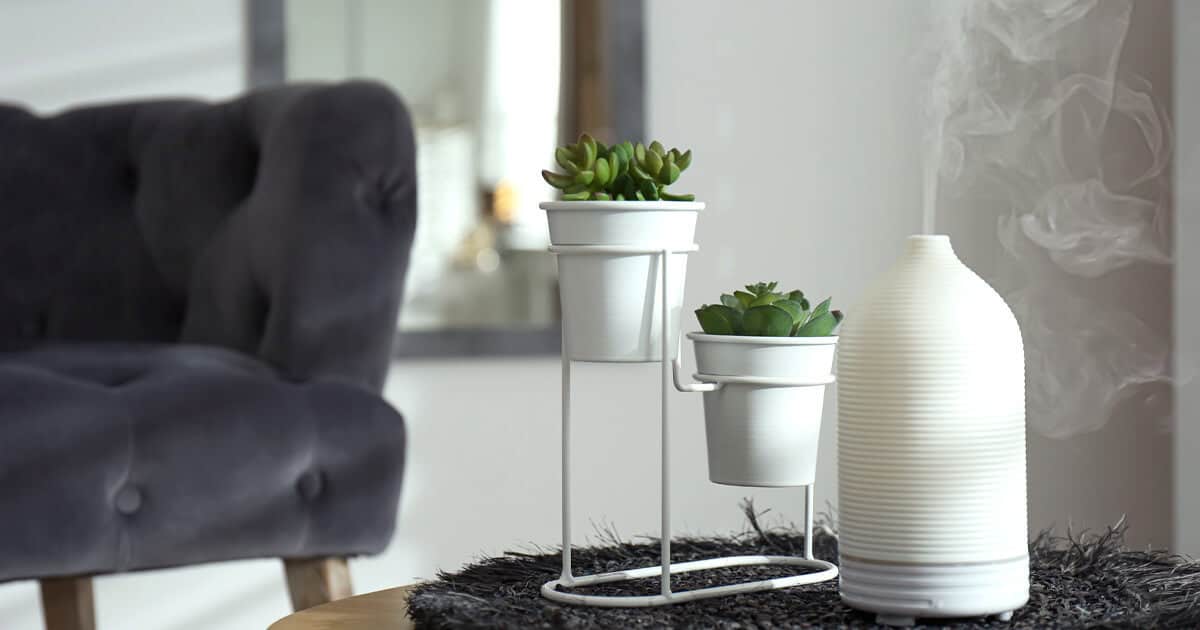
Each time you burn a candle or plug in an air freshener, tiny particles enter the air, reach deep into your lungs, and can stay there. That relaxing scent you enjoy in the evening might be quietly irritating your airways while your family breathes it in every day.
How your home smells matters. It is not only about comfort. It is about what you and your family inhale for hours inside closed rooms. The difficult part is that many scent products, from candles to plug-ins, fill the air with chemicals that quietly turn your living space into a low-level pollution source.
In February 2025, engineers at Purdue University demonstrated that scented wax melts, often marketed as a safer alternative to candles, can produce airborne nanoparticles in the same order as those from diesel exhaust and gas stoves.
At the same time, EPA data shows that indoor air can be loaded with volatile organic compounds (VOCs), reaching levels up to 5 times higher than outdoors. So you are no longer choosing between a nice-smelling home and clean air. You now need both at the same time.
This guide walks you through practical ways to scent your home while protecting the lungs and long-term health of everyone who lives there.
Why Fragrance Safety Matters More Than Scent?
Many people assume the main drawback of scented products is that they fade too quickly or do not fill the room enough. That is not the real problem. The bigger concern is how efficiently they fill your indoor air with chemicals you keep inhaling.
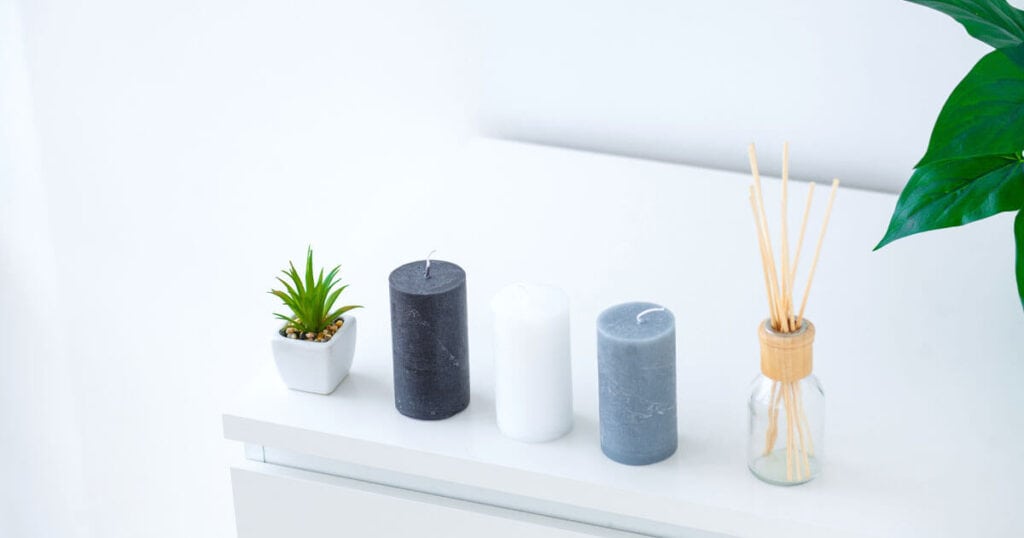
Lighting a scented candle or using a plug-in diffuser does more than add a pleasant smell. It releases VOCs, chemicals that easily evaporate at room temperature. These chemicals do not stay near the candle or outlet.
They move throughout your rooms, build up over time, and in spaces without good airflow can reach genuinely unsafe levels.
The Chemical Chain Reaction
Think about what happens with only one product. Synthetic fragrance blends can contain over 100 separate chemicals, and companies are allowed to hide them under a single word on the label: “fragrance.” That is legal, but it leaves you in the dark.
When these chemicals meet indoor ozone that leaks in through vents and windows, they react and form secondary organic aerosols and new pollutants, including formaldehyde and extremely small particles that can lodge deep inside lung tissue.
Real Health Outcomes
The health impact is not a theory. It is documented. A 2016 study of households in Australia reported that about one in three people experienced health issues from fragranced products, including breathing difficulties, asthma flare-ups, and migraines.
In homes where no one smokes, regular candle burning can be the main source of indoor fine particulate pollution. In some cases, people have had such intense symptoms, like chest tightness, headache, or throat irritation, that they missed work or even changed jobs due to fragrance exposure in offices or shared spaces.
Some fragrance products mask odors rather than purify the air. Opening windows and letting indoor air move out will do more for your lungs than any plug-in or spray can.
10 Healthiest and Safest Ways to Naturally Fragrance Your Home (Science-Backed Methods)
If you want pleasant scents at home without trading away air quality, focus on methods that handle the source of bad smells, such as stale air and trapped pollutants, rather than layering scented chemicals on top.
1. Open Your Windows - The Simplest Solution
This tip looks almost too easy, yet it is the most powerful habit you can build. Opening windows on opposite sides of your home for 15 to 30 minutes a day creates cross-ventilation, diluting indoor pollutants and replacing stale indoor air with outdoor air.

For your lungs, that is far better than any candle or spray. Research on indoor air quality is clear on this point: ventilation is one of the key tools for preventing pollutant buildup.
A simple way to start is to link it to something you already do. Crack windows while you drink your morning coffee, or right after cooking, to clear out VOCs and cooking fumes that build up overnight or during meal prep. Over time, this feels less like a chore and more like a normal part of caring for your home.
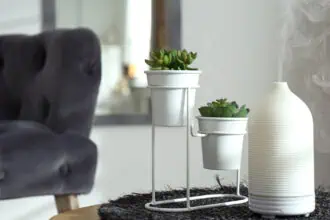
2. Use Air-Purifying Indoor Plants
Plants do more than fill an empty corner. NASA’s Clean Air Study found that several common houseplants can actively filter pollutants from indoor air. Spider plants help pull out carbon monoxide. Peace lilies capture mold spores and do especially well in damp rooms.

Snake plants release oxygen at night, which makes them a natural fit for bedrooms. Areca palms add moisture and can help reduce toxins such as formaldehyde and benzene.
Their advantage is steady, quiet work. They keep filtering day after day without adding new chemicals to the room. You water them, give them light, and they do the rest.
Best locations:
- Bedrooms: Snake plants, since they release oxygen at night
- Bathrooms: Peace lilies, as they handle humidity well
- Living rooms: Spider plants and areca palms in high-use spaces
Over time, they become a low-cost way to support a healthier indoor environment. It helps to spread them out, so each major room has its own “living filter.”
3. Baking Soda or Activated Bamboo Charcoal Air Purifying Bags
Baking soda does not add a scent. It targets the sources of bad smells. Place small open containers of baking soda in corners, cupboards, or near the trash to trap odor-causing molecules and some airborne particles. Swap the baking soda every one to two months.
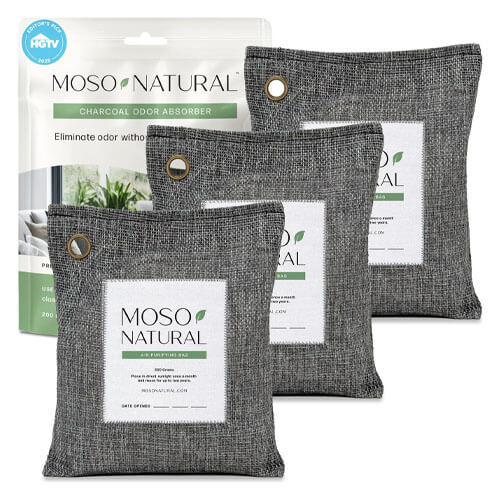
Moso Natural Air Purifying Bag 200g (3 Pack) HGTV Editor’s Pick
- Overall Choice
Premium Bamboo Charcoal Odor Absorber for Home, Car & Closet
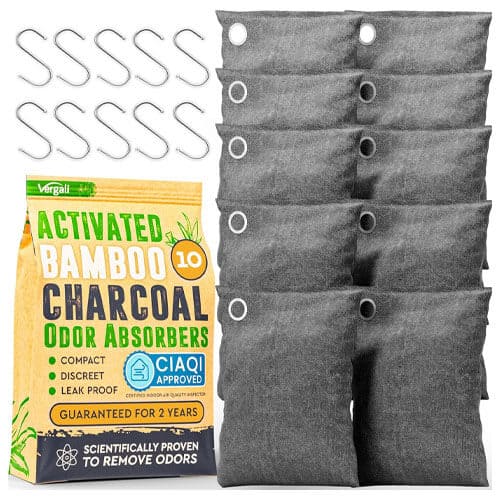
Activated Charcoal Odor Absorber for Strong Odors
- Best Seller
Bamboo Charcoals Air Purifying Bag Charcoals Deodorizer Eliminator
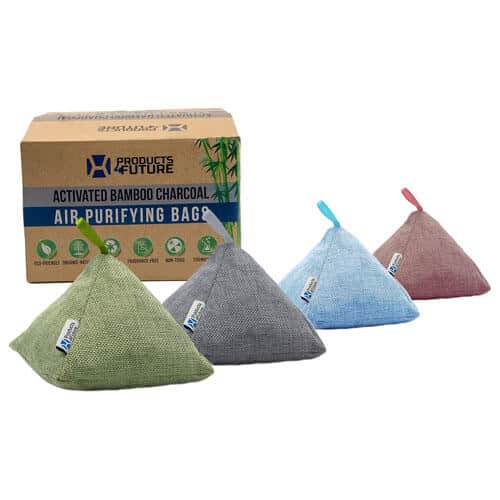
4 Naturally Activated Bamboo Charcoal Air Purifying Bags
- Most Bought
Charcoal Bag Odor Absorber For Pets | Odor Eliminator & Moisture Absorber
Sprinkling a light layer of carpet cleaner on carpets before vacuuming can also help with lingering odors. Activated charcoal air purifying bags work on a similar principle and are also considered non-toxic.
This method is easy on your budget. A basic box of baking soda typically costs under 2 dollars and can keep working for weeks. For many homes, this becomes one of the cheapest and most reliable ways to cut bad smells without adding new chemicals.
4. Simmer Pots: Heat, Not Combustion
Heating water with natural ingredients such as lemon slices, cinnamon sticks, whole cloves, or herbs releases fragrant steam without burning the material or filling the air with smoke. You get scent through evaporation instead of flame.

This can gently raise humidity during dry months and provide real aromatherapy benefits without creating the nanoparticles produced by combustion. The scent fades over time, which works in your favor because you can control how strong and how long the aroma stays in the room.
Popular simmer pot combinations:
- Citrus slices with cinnamon and cloves for a cozy winter feel
- Lemon, rosemary, and vanilla for a bright, clean scent
- Apple slices with cinnamon sticks and star anise for an autumn-style warmth
- Lavender, chamomile, and mint for a calmer evening routine
Always keep safety first. Never leave a simmer pot running unattended. Set a timer on your phone for 30 to 60 minutes so you remember to check the water level and turn off the heat before the pot boils dry.
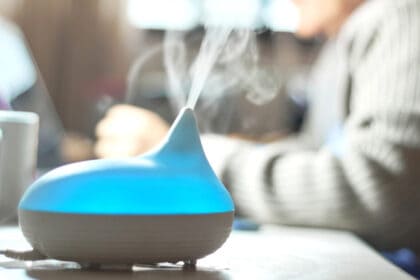
5. Essential Oil Diffusers (With Caution)
Ultrasonic and nebulizing diffusers can be effective tools, as long as you use them intentionally. That means choosing verified pure essential oils and paying attention to how long they last.

Smart Scent Air Machine, Waterless Essential Oil Diffuser
for Home Large Room & Commercial Use, Covers Up to 2000 sq ft, App Controlled

ASAKUKI Essential Oil Diffuser 500ml, Ultrasonic Aromatherapy
Humidifier with Remote Control, 7 LED Colors, Timer & Auto-Off, Large Room Diffuser
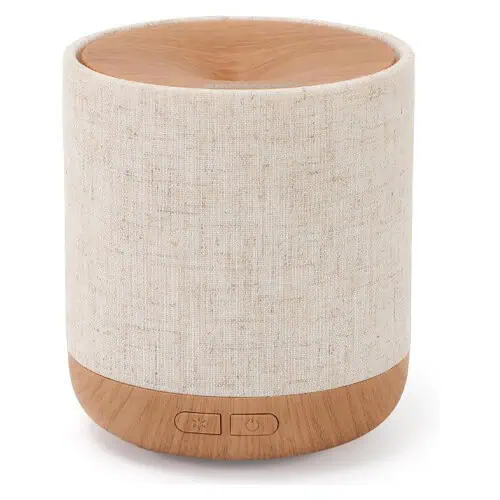
Essential Oil Diffuser 200ml with Fabric Cover and Night Lamp
Ultrasonic Aroma Diffuser, Humidifier w Lights, Room Decor, Small Humidifier for Bedroom
That on-and-off pattern matters. If the diffuser runs nonstop, your smell receptors become overloaded, so you stop noticing the scent while the chemicals keep building up in the air. Intermittent use gives your nose a break and also keeps indoor concentrations lower.
Think of it as short scent sessions, supported by open windows when possible, rather than a background cloud that runs all day.
6. Natural Sachets and Dried Herbs
Dried lavender sachets, bowls of rose petals, or small bundles of dried herbs can gently scent closets, drawers, or areas near your bed, even without electricity or a heat source.
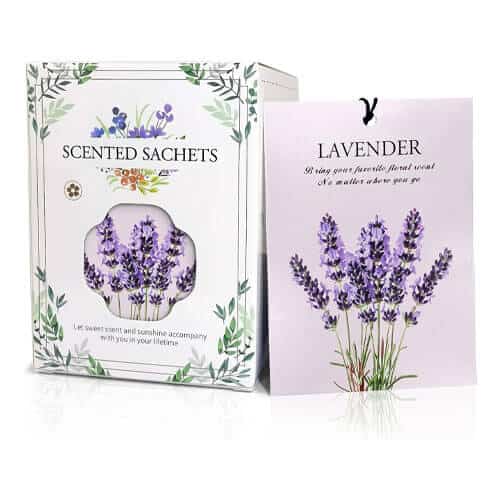
Lavender Scented Sachet Bags – 12 Pack Closet & Drawer Freshener
Long Lasting Odor Eliminator for Wardrobes, Cars & Storage, Home Fragrance Air Freshener Sachets
Some practical long-lasting choices include:
- Dried lavender bundles in linen cupboards or near pillows.
- Cedar blocks or chips in wardrobes and drawers as a natural moth deterrent.
- Bowls of dried rose petals in sitting areas.
- Dried citrus slices that bring a light, fresh note and have natural antimicrobial qualities.
They sit in place and slowly release a mild smell over time. Since there is no active burning or misting, you do not get the same spike of VOCs you see with sprays or candles. The scent will slowly fade, but refreshing it is as simple as replacing the contents.
7. DIY Essential Oil Blends with Proper Ventilation
If you prefer to mix your own diffuser blends using verified pure essential oils and a well-made diffuser, you will still release terpenes and secondary pollutants. The difference is that you control how much, how often, and under what ventilation conditions.
A homemade blend, combined with intermittent use and a cracked window, is far less intense than an always-on store-bought device.

Example DIY blend:
- 4 to 5 drops lavender essential oil
- 2 to 3 drops of chamomile essential oil
- 1 to 2 drops frankincense essential oil
- Filtered water to fill the diffuser reservoir
Run the diffuser for about 30 minutes, then turn it off for at least another 30 minutes, and keep a window slightly open. That pattern gives you scent as a short comfort ritual rather than a constant chemical stream.
8. Natural Beeswax or Soy Candles
Choosing the right wax matters. Standard paraffin candles release volatile organic compounds when burned, including benzene and toluene. Both compounds are classified as carcinogens. Paraffin also produces black soot that settles on surfaces and in your lungs.
Beeswax and soy offer cleaner alternatives. Beeswax is 100 percent natural, produced by honeybees without chemical processing . Soy wax is plant-based and biodegradable.
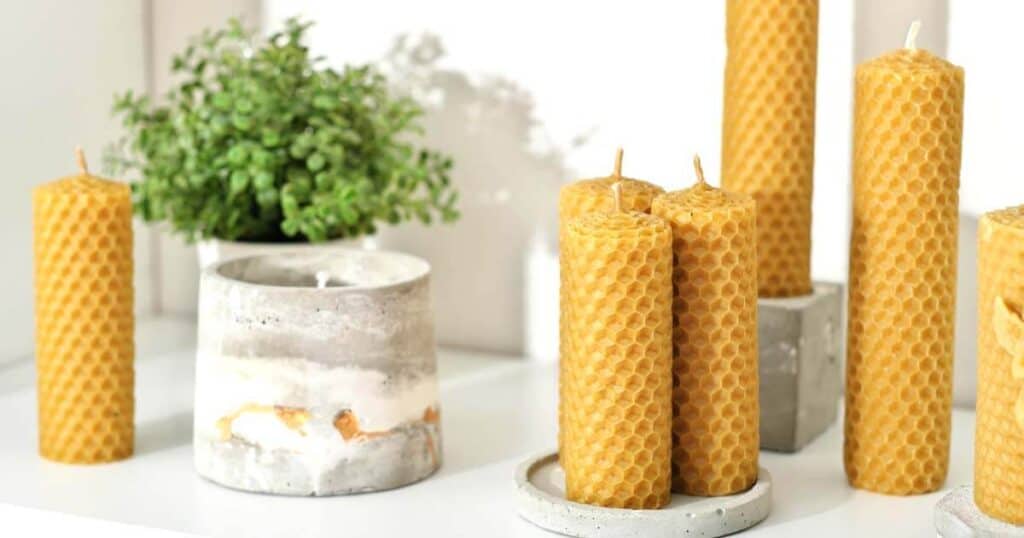
A common claim is that beeswax candles purify the air by releasing negative ions. The evidence doesn’t hold up. Professor Delphine Farmer, an atmospheric chemist at Colorado State University, states there’s no scientific literature supporting this claim.
Combustion reactions are free radical processes, not ion-producing ones. Nathan T. Allen, PhD, Chemist, confirms that beeswax burns like any other hydrocarbon, forming carbon dioxide and water. Beeswax candles still produce soot, particulate matter, and nitrogen oxides.
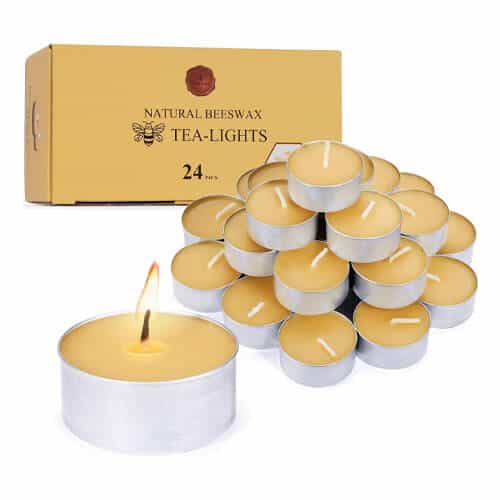
Natural Beeswax Tealight Candles in Metal Aluminum Cup
Organic Mini Candle Natural Scent Smokeless 4-5 Hours Long Burning – Yellow, Pack of 24
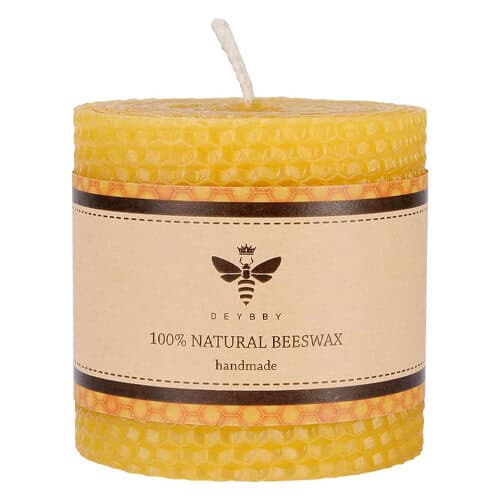
3×3 in Beeswax Pillar Candle – Handmade Pure Beeswax
Rolled Candle for Gift & Home Decor
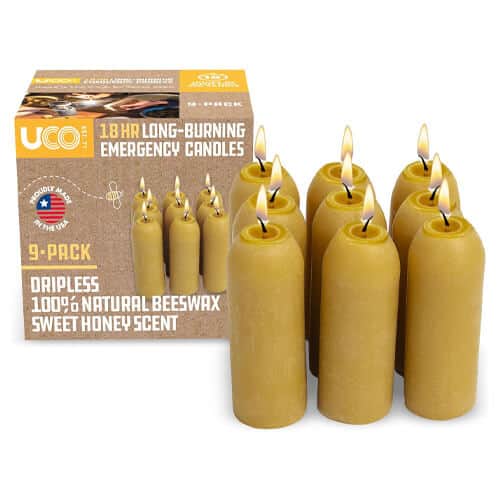
UCO 12-Hour Natural Beeswax Long-Burning Candles
For UCO Candle Lanterns and Emergency Preparedness, Made in USA
That said, beeswax and soy burn cleaner than paraffin. Both last longer per burn session. They work well with cotton or wooden wicks instead of older lead-core designs.
Beeswax naturally carries a subtle honey scent. Soy holds essential oils well for scented options.
What to look for when buying:
- 100 percent beeswax or soy wax with no paraffin blends
- Cotton or wood wicks, never lead-core
- Scented only with pure essential oils, not synthetic fragrance
- Transparent labeling of ingredients
Good habits still matter. Trim the wick before each use. Burn in a well-ventilated room. Keep sessions under 3 to 4 hours. You get warmth and glow without maxing out indoor pollutants.
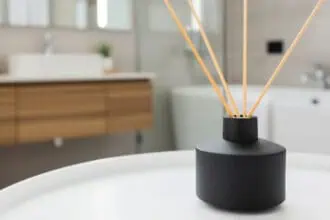
9. Reed Diffusers with Essential Oils
Reed diffusers work without flames, heat, or electricity. That makes them one of the safest ways to add fragrance to a room. The setup is straightforward: a glass bottle holds scented oil, natural reeds draw it up, and the fragrance releases slowly into the air. Once placed, they work continuously with no supervision.
The flameless design removes fire risk entirely. This matters in homes with children, pets, or tight spaces where an open flame would be dangerous. Unlike aerosol sprays, reed diffusers skip the propellants. No chemical residue on surfaces. Cleaner air overall with less buildup on furniture.
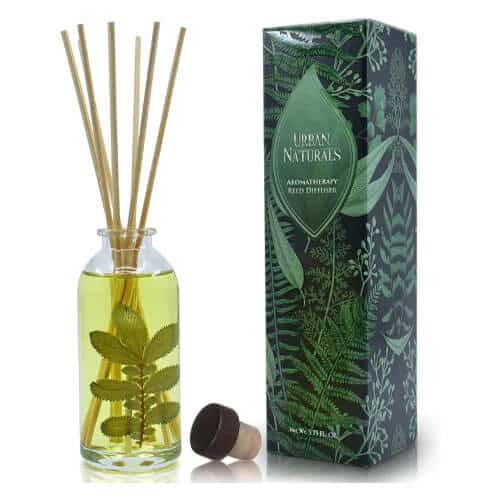
Urban Naturals Eucalyptus Sage Reed Diffuser Oil Gift Set
ucalyptus, Sage, Mint, Lime & Cedarwood Essential Oils for Bathroom or Bedroom
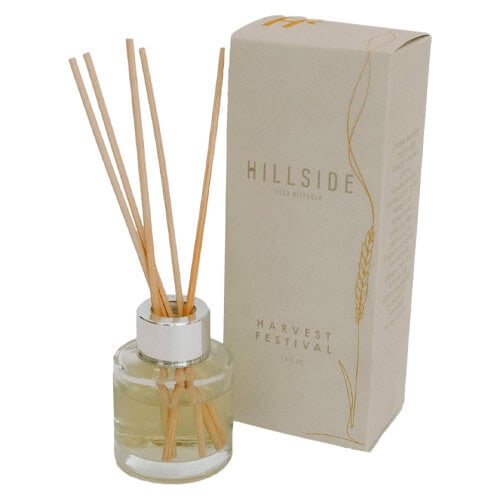
Harvest Festival Reed Diffuser – 90 Day Fragrance Dispensation
Non-Toxic, Sustainable Materials, Refillable Glass Jar – Pumpkin Scent Diffuser
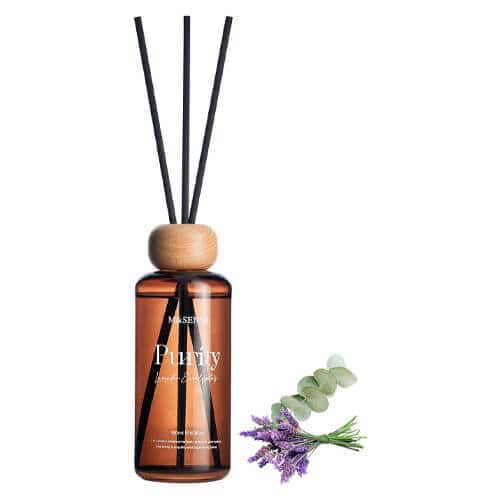
M&SENSE Lavender Eucalyptus Reed Diffuser: Upgraded Formula
6.3 fl oz Non-Toxic Aroma Set with Sticks, Natural Essential Oil for Home, Bedroom
Reed diffusers provide a gentle, continuous scent rather than strong bursts. They suit smaller rooms, entryways, bathrooms, and bedrooms where you want a light background aroma without overwhelming the space.
Getting the most from reed diffusers:
- Choose diffusers filled with essential oil blends rather than synthetic fragrance oils.
- Flip the reeds every few days to refresh the scent.
- Place near doorways or areas with light airflow to help circulate the aroma.
- Avoid direct sunlight; UV breaks down oils faster.
- Expect each bottle to last one to three months, depending on room size and ventilation.
For households that prioritize safety and low maintenance, reed diffusers deliver steady fragrance with almost no effort once set up.
10. Non-Toxic Wax Melts
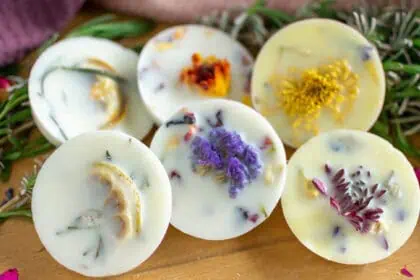
Wax melts are small pieces of scented wax placed in a warmer. Heat releases fragrance without an open flame. Sounds safer than candles. In many ways, it is. But material and scent source matter just as much as the heating method.
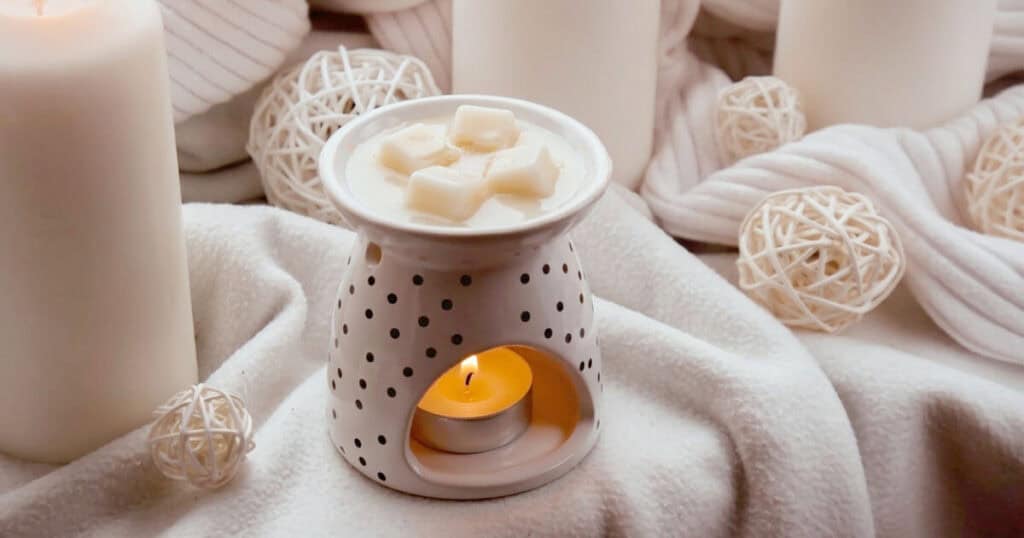
Standard wax melts often use paraffin and synthetic fragrances. These can still release volatile organic compounds into your home. Recent research from Purdue University found that even flame-free scented wax melts generate significant indoor nanoparticle concentrations greater than 10⁶ particles per cubic centimeter. That’s comparable to combustion-based scented candles, gas stoves, diesel engines, and natural gas engines.
How does this happen? Terpenes released from scented wax melts react with indoor ozone to form new particles. The researchers tested 15 commercially available wax melts, scented and unscented, in a full-scale residential test house.
When they warmed an unscented wax melt, no terpene emissions or nanoparticle formation occurred. The scent compounds drove the reaction.
Respiratory tract deposited dose rates during scented wax melt use rivaled those from candle combustion and gas stoves. Nanoparticles in the 1 to 100 nanometer range can pass through respiratory tissues and enter the bloodstream.
The healthier approach: choose wax melts made from natural bases, such as soy, coconut, or beeswax, scented only with pure essential oils and free of synthetic dyes.
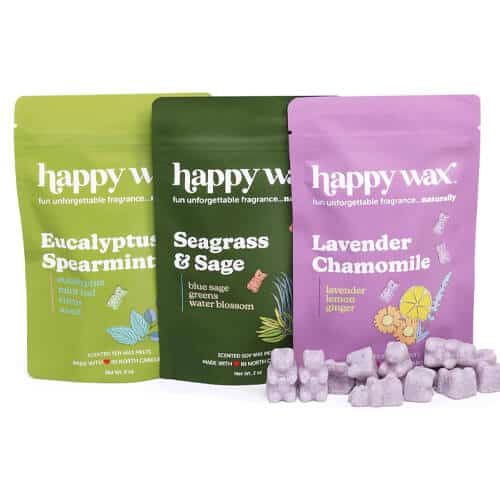
Happy Wax Spa Mix Premium Scented Natural, Non Toxic Soy Wax Melts
6 Total Oz. of Scented Wax Melts. Includes: Seagrass & Sage, Lavender Chamomile, and Eucalyptus Spearmint
What to look for in non-toxic wax melts:
- Soy, coconut, or beeswax base with no paraffin blending
- Scented with essential oils rather than fragrance oils
- Free from phthalates, parabens, and synthetic dyes
- Transparent ingredient lists from reputable brands
Best practices for safer use:
- Use in well-ventilated rooms
- Limit warming sessions to 30 to 60 minutes at a time
- Clean your warmer regularly to prevent residue buildup
- Store unused wax melts away from heat and sunlight to preserve the oils
When chosen carefully, non-toxic wax melts give you cozy scented warmth without the soot, smoke, or hidden chemicals found in cheaper alternatives.
Choosing the Safest Fragrance Method by Room: Room-Specific Strategies
Each room in your home has a different purpose, layout, and level of airflow. Your scent strategy should reflect that reality rather than using the same approach everywhere.

Bedrooms: Sleep Quality Sanctuary
Sleep affects almost every part of your health, so your bedroom works best as a low-chemical zone. Skip candles, heavily scented sprays, and long-running diffusers in this room. A peace lily, spider plant or snake plant can quietly support cleaner air instead.
If you still want a light scent, place a small lavender sachet on your pillow or nightstand so the smell is close to you without generating extra particles. If you use a diffuser in the bedroom, choose a ventilation-style model, stick to gentle oils like lavender or chamomile, and keep sessions short with breaks in between.
Opening the window a little at night, when temperatures allow it, helps sweep out any remaining fragrance compounds and supports deeper, cleaner breathing while you sleep.
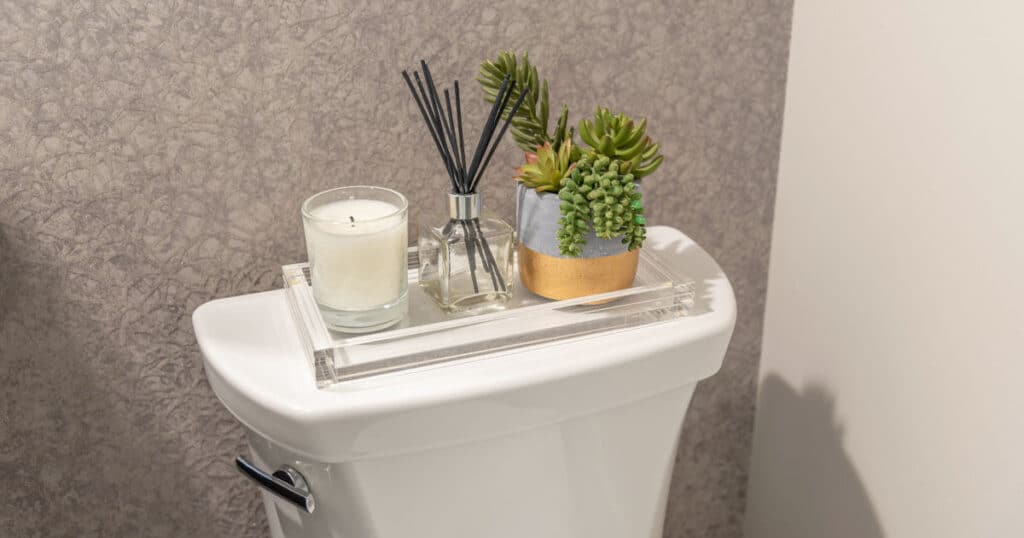
Bathrooms: Moisture Control Priority
Bathrooms collect moisture and are often where people spray the most fragrance products. They are also usually compact and poorly ventilated. That combination can trap a high concentration of chemicals.
Skip candles, heavy sprays, and plug-ins here whenever possible. Instead, run the exhaust fan during and after showers to pull out the humid air. Place bowls of baking soda near the toilet or trash to absorb odors. A peace lily does well in this environment and adds both greenery and light, filtering air.
If you still choose to diffuse scent in the bathroom, use a reed diffuser with fewer reeds, such as 2 to 3 sticks, to soften the scent. Always run the fan or open a window at the same time. The goal is to use moisture control, odor absorbers, and plants as your main tools, with scent as an occasional extra, not the default solution.
Kitchens: Cooking Odor Management
Kitchens are full of strong smells from cooking. You want the room to smell fresh without clashing with food. Synthetic sprays and plug-in fresheners tend to fight with meal aromas and build up VOCs near where you prepare food. It is better to focus on supportive, food-friendly smells.
A simple simmer pot with citrus peels and cinnamon can soften leftover cooking odors and add a genuinely pleasant scent. Brief diffusion of oils such as lemongrass or orange can also help, as long as you keep it light.
Do not forget the basics: run your range hood while cooking, and place baking soda near the trash can or compost bin. That combination of airflow, natural steam scents, and odor-absorbing powders keeps your kitchen smelling cleaner without turning it into a cloud of chemical fragrances.

Living Rooms: Maximum Fragrance Safety
Living rooms often have more space and better airflow, so they are usually the safest area for limited diffuser use if you choose to scent your home. This is an appropriate room for short, carefully timed essential oil sessions.
You can also cluster houseplants such as snake plants and areca palms here, so you get steady background air filtering while you relax or host guests.
If you insist on burning candles, this is the best room for them. The greater volume of air and the higher likelihood of open windows or doors reduce pollutant concentrations compared with a small, enclosed room.
Keep the number of candles low, keep them away from drafts that cause flickering, and burn them for finite periods rather than all evening.
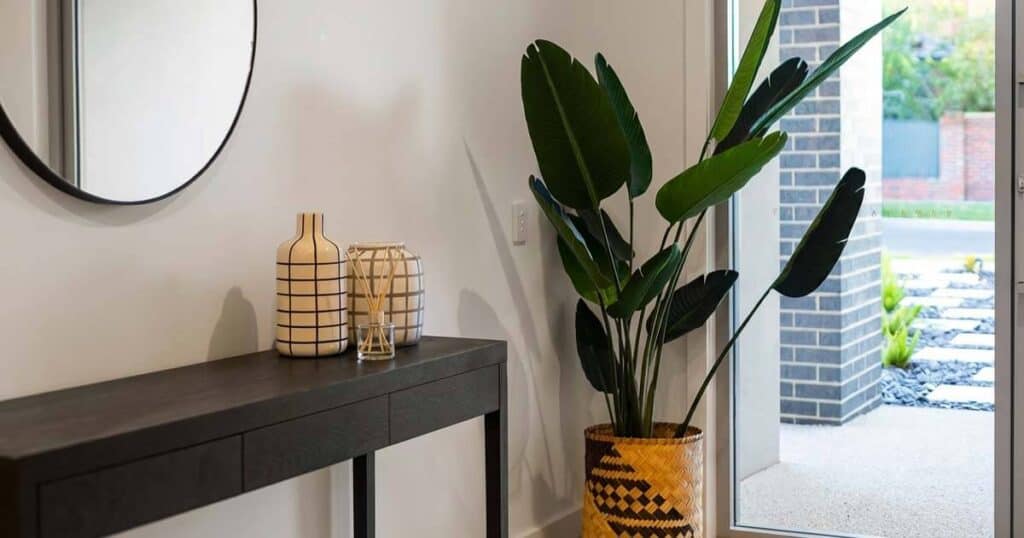
Hallways and Entryways: Minimal Fragrance
High-traffic entrances and corridors do not need intense fragrance. A strong smell at the front door can be overwhelming for visitors and quickly becomes tiring for people who live there.
Light touches work better. Use small sachets of dried herbs, a single houseplant placed where it gets some light, or a ventilation-style diffuser set to run only briefly.
Because air usually moves more freely through hallways, even a mild scent can travel further than you expect. For that reason, gentle and short-lived options are smarter than heavy sprays or candles at the entry.
Match fragrance strength to the room. Smaller, low-airflow rooms like bedrooms and bathrooms benefit from gentler approaches that focus on clean air and subtle scent.
Kitchens need methods that work alongside cooking. Larger, well-ventilated rooms give you more freedom, but still work best when you keep fragrance intentional and controlled.
Store-Bought vs. Homemade Fragrances: Safety Comparison & Best Options
Most mass-market candles and air fresheners are harder on your air quality than home recipes, where you pick every ingredient.
Store-Bought Candles and Wax Melts
Many commercial scented candles use paraffin wax, which comes from petroleum, along with synthetic fragrance oils and other additives that are not listed in detail on the labels.
When these candles burn, they release black carbon, and emissions rise when the flame flickers. Scented versions usually add even more fine particles than unscented ones. Wax melts, as highlighted in the Purdue work, release significant levels of terpenes and can generate clouds of nanoparticles at concerning concentrations.

A major concern is transparency. In both the US and the EU, rules allow manufacturers to hide full ingredient lists for fragranced candles under patent protections.
As a buyer, you cannot really know what you are breathing once that candle is burning in your living room. This lack of disclosure alone makes them a questionable choice for regular use.
Store-Bought Air Fresheners
Aerosol sprays emit small, ultrafine droplets packed with VOCs such as benzene and formaldehyde. Research from the University of York showed that aerosol air fresheners emitted more harmful VOCs than all vehicles on UK roads during the period studied.
Plug-in air fresheners with fragrance or perfume oils work differently but pose their own problem. They constantly emit low levels of chemicals. So you are not dealing with a single burst. You are dealing with day-long exposure that repeats, week after week.

Over time, daily use of plug-ins can raise indoor VOC levels in a way similar to using multiple other household chemical products together. The dose adds up quietly. You might not notice at first, but your body does.
Beeswax Candles: The Premium Natural Option
If you really enjoy candlelight and are not ready to give it up, beeswax candles are currently among the cleaner options. Beeswax tends to burn more efficiently than paraffin and produces less black carbon.
It can release negative ions, which may bind to some airborne particles, helping them settle out of the air more quickly. These candles usually cost more and are harder to scent with natural materials, but for people who insist on using candles, they are a safer option.
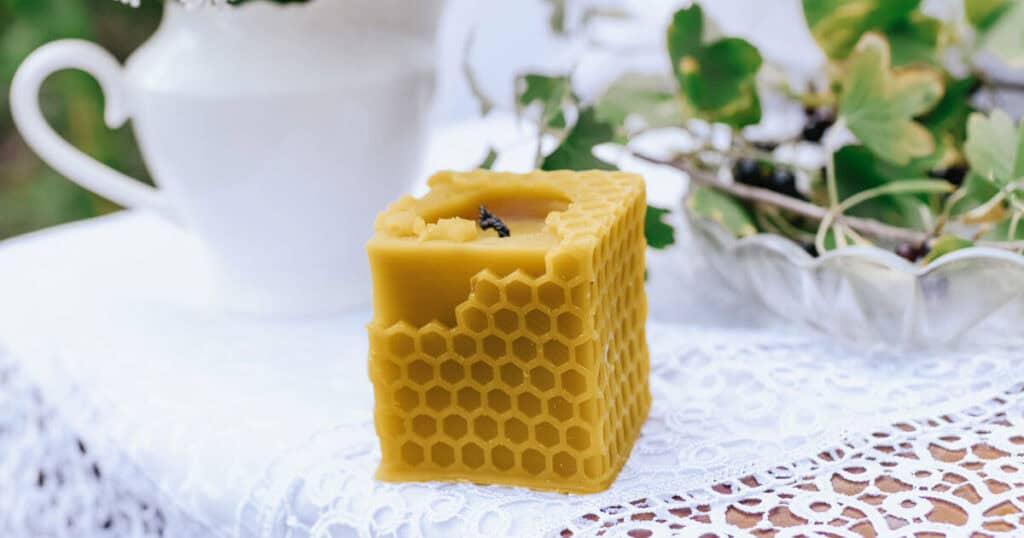
Look for these signs when buying beeswax candles:
- Labels that clearly say 100 percent beeswax rather than a blend
- Wicks made from cotton or paper, not unknown synthetic fibers
- No synthetic fragrance oils listed
- An ingredient list that uses names you recognize
Unscented beeswax is better still, because you avoid the added fragrance load.
Homemade Fragrance Sprays
A simple spray you make at home from water, vinegar, and citrus or essential oils allows you to control everything that goes into the bottle.
You skip propellants, dyes, and preservatives. These sprays will not last all day like a plug-in, but the shorter duration is part of what makes them safer. You use them, enjoy the scent as it fades, then let the airflow clear the room.
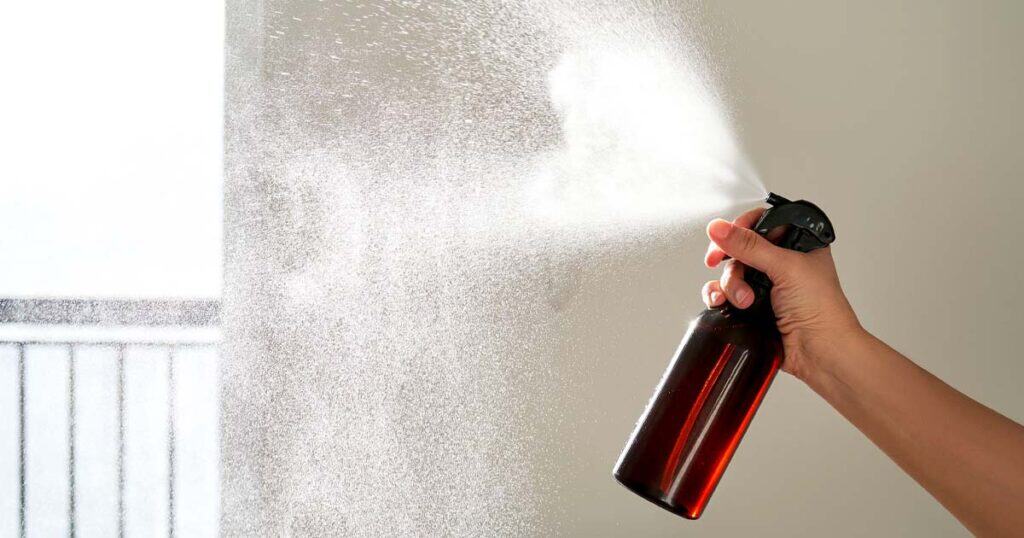
Basic DIY spray mix:
- 2 cups water
- 2 tablespoons white or apple cider vinegar
- 10 to 15 drops of an essential oil such as lavender, lemon, or eucalyptus
- 1 spray bottle
Combine the liquids in the bottle, shake before each use, and mist lightly around your home. The vinegar smell disappears after a few minutes, leaving behind only the essential oil scent.
For anyone tired of mystery ingredients, this kind of recipe is a much clearer and more controlled option.
Common Fragrance Mistakes: 5 Things to Avoid for Healthier Home Scenting
Mistake 1: Continuous Diffusion
Running a diffuser all day does not multiply its benefits. It keeps your nose and nervous system under constant pressure. After about 30 to 60 minutes, your sense of smell adapts, so you no longer notice the scent even though the same amount of chemical output continues.
A healthier pattern is simple: run it for up to an hour, then give your home and your body at least another half hour with clean air only.

Mistake 2: Using Fragrances in Small, Poorly Ventilated Spaces
Placing a scented candle or diffuser in a compact bathroom with the door closed and no windows can create a pocket of dense chemicals. The same item in a larger living room that has open windows and an active fan is far less intense.
If you live in a small studio or have rooms with sealed windows and no fan, lean on plants, baking soda, and simmer pots instead of concentrated fragrance products.
Mistake 3: Mixing Multiple Fragrance Products
Burning a candle while a plug-in runs and a diffuser hums in the background fills the air with overlapping chemical blends that can react with one another. This stacks VOC levels rather than gently adjusting them, and it also makes it hard to know which product is causing which reaction.
Choose one approach per room at a time, use it for a short period, and then air the room out before turning on something else.
Mistake 4: Assuming Natural = Safe
It is easy to assume that “natural” equals harmless. That is not always the case. Essential oils derived from plants still emit terpenes that react with ozone, generating secondary organic aerosols and formaldehyde.
A candle scented with cedarwood oil can trigger the same type of chemical reactions as a synthetic spray product. Natural origin does not cancel the need for good ventilation and moderation. The same basic safety rules still apply.
Mistake 5: Ignoring Blocked Vents and Poor Ventilation
Ventilation is often the single detail that decides whether any fragrance product stays within safer limits or crosses into risky territory. Blocked vents, painted shut windows, and constantly closed doors trap pollutants, giving them more time to build up.
Before you bring in any new fragrance item, check that air can move. Clear supply and return vents, test windows, and use fans or exhaust systems where possible. Clean air movement does more for your health than any scent product ever will.
Safe, Healthy, and Effective Home Fragrance Solutions
The future of home scenting is not about hunting for a miracle product. It is about treating clean air as the base requirement and scent as an optional extra.

Priority 1: Ventilation is Non-Negotiable
The safest home is one where air moves. Open windows as a daily habit. Make sure furniture or curtains are not blocking vents. Run exhaust fans when you cook or shower. These simple actions remove a large share of indoor odors without any chemical help.
Ventilation should always sit at the bottom of your strategy, because it remains the strongest tool for healthy indoor air.
Priority 2: Plants Do Real Work
Spider plants, peace lilies, and snake plants bring more than style. They help clean your air by absorbing certain pollutants and supporting a more balanced indoor environment. Multiple studies back up their contribution.
Place them in the rooms you use most, such as bedrooms, living rooms, and bathrooms. Over months and years, this quiet support adds up.
Priority 3: Use Fragrance Intentionally
If you decide to use scent, treat it like a conscious choice rather than background noise. Select one method for each room. Limit your use to shorter sessions. Pair every fragrance session with open windows or fans when possible.
Intermittent diffusion gives you the comfort of scent without the constant exposure. Homemade sprays or blends with clear, simple ingredient lists are usually safer bets than mass-market options that hide their formulas.
Priority 4: Avoid Chemical Based Products
Spray air fresheners release VOCs in quantities that some studies have compared with emissions from huge numbers of vehicles, but not all as long as the air fresheners are using natural and non-toxic essential oils, not fragrance oils.
If you enjoy fragrance, simmer pots, carefully used essential oil diffusers, and natural sachets like air purifying bags are all much gentler choices for your lungs.
Priority 5: Address Root Causes, Not Symptoms
Scented products cover smells but rarely solve the underlying issue. Ventilation, baking soda, plants, and regular airing out handle the real problems: stale air, moisture, and trapped pollutants.
Those are your real tools. Fragrance should sit on top as a finishing touch, not carry the entire load of keeping your home pleasant.
Building Your Healthy Home Fragrance Strategy
The healthiest home usually smells like fresh air, not perfume. Once you build that base with proper ventilation, plants, and simple odor absorbers, you can still enjoy occasional fragrance without trading away your health. That is the balance worth aiming for.

Here is a practical plan you can start now:
- This week: Open windows for 15 to 30 minutes each day. Place small bowls of baking soda in areas that tend to smell stronger, such as near the kitchen trash and in bathrooms.
- This month: Bring in two or three air-cleaning plants for the rooms you use most. Try a simmer pot or short diffuser session in one room and pay attention to how your body feels.
- This season: Gradually stop buying synthetic scented candles and air fresheners. Replace them with your own sprays, small sachets of dried herbs or flowers, or beeswax candles if you still want a flame.
- Ongoing: Keep up window ventilation, change your baking soda monthly, and treat fragrance like a short, intentional comfort rather than something that runs all day.
Current research points the same way again and again. Methods that fix the real issues, like poor airflow and trapped indoor pollution, bring better long-term results than layering on chemical scents.
Your home’s air shapes your breathing, your sleep, and how you feel over time. Put that first, and fragrance becomes a pleasant extra instead of a silent risk.